
Key Takeaways
- Email marketing for clothing brands works best when designed as a lifecycle system, not a promotions-only channel.
- Most fashion eCommerce stores underperform because they skip segmentation, automation, and planning.
- A clear email marketing plan aligned with product drops and seasons drives predictable revenue.
- Automated flows consistently outperform one-off campaigns for clothing brands.
- You don’t need complex tools structure and timing matter more than software.
- Email compounds over time, increasing repeat purchases and customer lifetime value.
Introduction
Email marketing for clothing brands is the one of the most searched topic on the internet as most of the clothing brands live and die by repeat purchases, seasonal demand, and customer loyalty. Yet many fashion eCommerce stores rely almost entirely on paid ads and social media to drive sales channels that become more expensive and unpredictable every year. Email marketing offers a way out of that cycle.
When done right, email marketing for clothing brands becomes a sales engine that runs alongside your store: welcoming new shoppers, converting browsers into buyers, launching collections, and bringing customers back again and again. When done poorly, it turns into endless discount blasts that train customers to wait for sales and ignore your brand.
The difference isn’t creativity or copywriting talent. It’s system design. Clothing brands that win with email don’t “send emails.” They build a structured email marketing strategy aligned with how fashion customers browse, buy, and rebuy across seasons and drops.
Email Marketing Fundamentals for Clothing Brands
What Email Marketing Looks Like for Fashion eCommerce
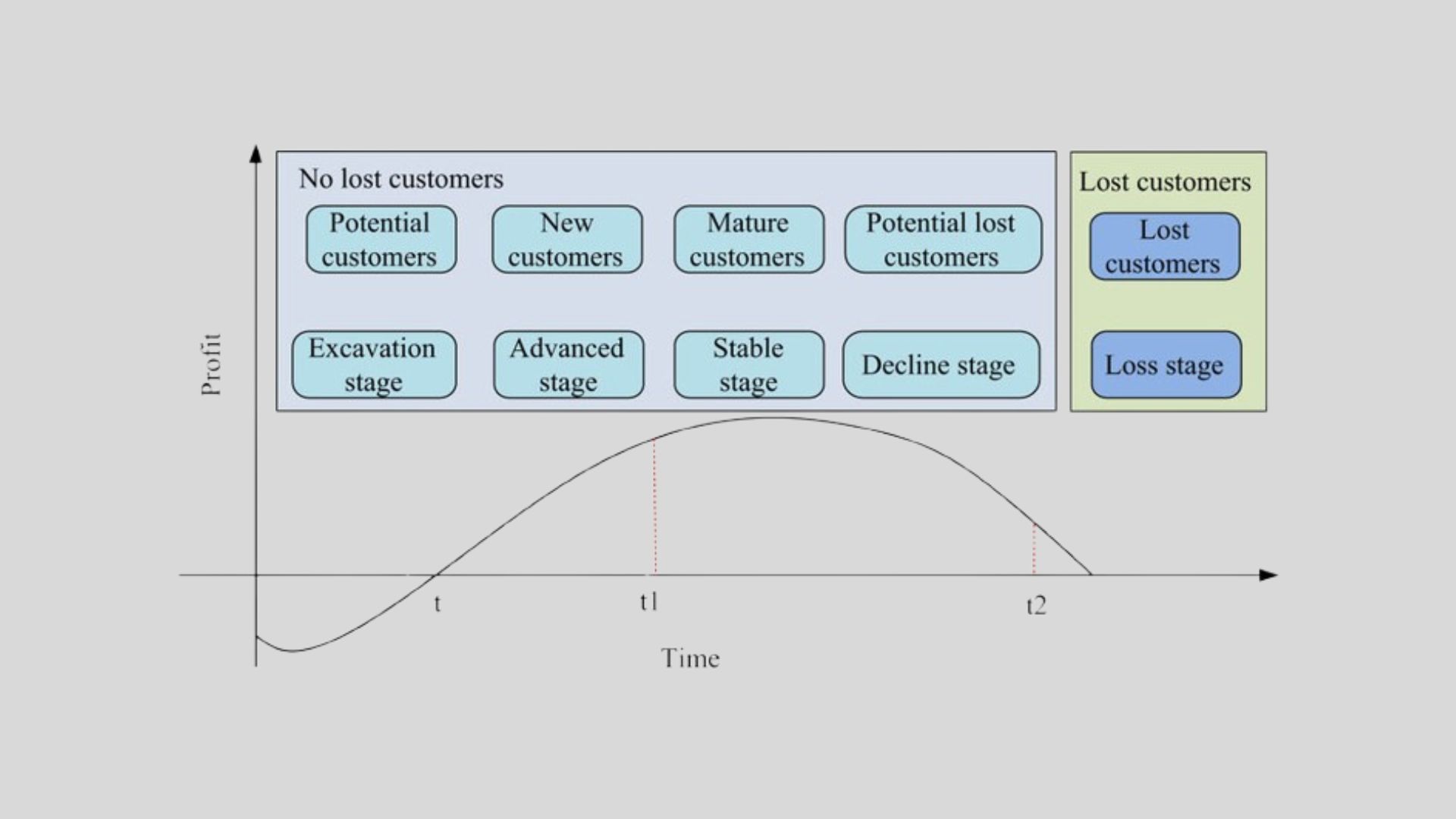
For clothing brands, email marketing is not about constant promotion. It’s about guiding customers through a predictable buying lifecycle:
- Discovery and trust-building
- First purchase conversion
- Repeat purchase and styling inspiration
- Long-term brand loyalty
Email supports this lifecycle better than any other channel because it’s personal, direct, and owned.
A fashion brand with a solid email marketing plan doesn’t need to push discounts aggressively. Instead, it uses timing, relevance, and storytelling to move customers closer to purchase.
Why Email Matters More for Clothing Than Most Niches
Clothing is inherently visual, seasonal, and emotional. Customers rarely buy just once. They come back for new collections, colors, fits, or styles.
Email marketing works especially well because:
- Customers expect ongoing communication from fashion brands
- New drops create natural reasons to email
- Styling, fit, and use cases lend themselves to content
- Repeat purchases are common when trust is built
Brands that treat email as a relationship channel not just a sales megaphone consistently outperform competitors.
The Role of an Email Marketing Plan
An email marketing plan gives structure to what otherwise becomes random outreach.
At minimum, a plan defines:
- Who you email (segments)
- When you email (triggers and cadence)
- Why you email (conversion goal)
- What success looks like (revenue, repeat rate)
Without a plan, emails are reactive. With a plan, email becomes predictable.
How to Create an Email Marketing Strategy for Clothing Brands Step by Step
Step 1: Set Revenue-Focused Goals
Every effective email marketing strategy starts with clear objectives tied to sales.
Common goals for clothing brands include:
- Increasing first-time purchases
- Improving repeat purchase rate
- Driving revenue from product drops
- Clearing seasonal inventory without brand damage
- Increasing average order value
Each goal maps to specific email types and automations. Open rates don’t pay the bills revenue does.
Step 2: Build the Right Kind of Email List
For clothing brands, list quality matters more than size.
High-intent subscribers come from:
- First-purchase discounts
- Early access to drops
- Style guides or lookbooks
- Size and fit resources
- Loyalty or VIP programs
Avoid generic popups that attract discount hunters only. The goal is a list of people who actually want to wear your products.
Step 3: Use Email Segmentation to Stay Relevant
Email segmentation is where clothing brands gain leverage.
Core segments to start with:
- New subscribers (no purchase)
- First-time buyers
- Repeat customers
- High-value customers
- Inactive subscribers
Advanced segmentation can include:
- Product category interest (tops, outerwear, accessories)
- Gender or fit preference
- Seasonal buyers vs year-round buyers
Segmented emails routinely outperform broadcast emails by 2–3x in revenue per send.
Step 4: Define Clear Email Marketing Strategy Steps
Most successful clothing brands follow the same core email marketing strategy steps:
- Welcome and brand story
- Product education and trust-building
- Conversion and urgency
- Post-purchase reinforcement
- Repeat purchase and loyalty
These steps ensure every subscriber receives the right message at the right time.
Step 5: Document and Systemize
Documentation is the difference between chaos and scale.
Write down:
- Each flow and its purpose
- Entry conditions
- Timing between emails
- Revenue goal per flow
This documentation becomes your operating system for email making optimization and delegation easier.
Email Marketing Strategy Examples from Clothing Brands
A streetwear brand runs:
- A 6-email welcome flow introducing brand ethos and bestsellers
- Drop announcement emails segmented by category interest
- Post-purchase emails showing outfit inspiration
A women’s fashion brand uses:
- Fit guides for new subscribers
- Replenishment reminders for basics
- VIP previews for high-value customers
Different brands. Same strategic foundation.
Email Marketing Best Practices, Tools, and Automation for Clothing Brand Growth
Core Email Marketing Best Practices for Fashion Brands
Strong fundamentals outperform clever tactics.
Key email marketing best practices include:
- One primary call-to-action per email
- Mobile-first design
- High-quality visuals without heavy load times
- Clear value in the first sentence
- Consistent brand voice
Fashion customers skim. Clarity and visuals matter more than long copy.
Using Email Marketing Automation to Drive Sales
Email marketing automation is where clothing brands unlock scale.
High-performing automations include:
- Welcome series
- Abandoned browse and cart flows
- Product drop announcements
- Post-purchase cross-sells
- Win-back campaigns
Automated flows often generate 60–80% of total email revenue once optimized.
Lifecycle-Based Automation (The Hidden Advantage)
Most clothing brands treat email as promotions-only broadcasting. High-performing brands tie automation to lifecycle moments:
- New season arrivals
- Customer’s second purchase window
- Time since last order
- Category-specific restocks
This lifecycle approach increases relevance and reduces unsubscribes.
Protecting Email Deliverability
Great emails fail if they don’t reach inboxes.
Protect email deliverability by:
- Sending consistently
- Removing inactive subscribers quarterly
- Avoiding excessive discount language
- Authenticating your sending domain
- Encouraging clicks and replies
Engagement signals keep inbox placement strong.
Choosing the Right Tools and Platforms
Most clothing brands don’t need complex stacks.
When evaluating email marketing platforms, prioritize:
- Automation capability
- Segmentation flexibility
- eCommerce integration
- Reliable analytics
Many free email marketing software options are enough for early-stage brands. As revenue grows, upgrading tools becomes a strategic decision not a requirement.
The best email marketing tools are the ones that support your workflows without adding complexity. For founders who prefer to stay focused on product and growth, email marketing services for small business can manage strategy, setup, and optimization.
Measuring What Actually Matters
Track metrics tied to revenue and retention:
- Revenue per subscriber
- Repeat purchase rate
- Flow-level conversion rate
- Customer lifetime value
These metrics reveal whether your email marketing strategy is truly working.
FAQs
Does email marketing work for clothing brands?
Yes. Clothing brands often see higher returns from email than many other eCommerce niches due to repeat purchases, seasonal demand, and product drops.
How often should clothing brands send marketing emails?
Most brands perform well with 1–3 campaign emails per week supported by automated flows. Consistency matters more than volume.
What type of emails drive the most sales for fashion eCommerce?
Automated emails especially abandoned cart, welcome series, and product drop announcements generate the highest revenue per email.
Do clothing brands need paid email marketing software?
Not initially. Many free email marketing software options support automation and segmentation. Paid tools become useful as complexity grows.
How long does it take for email marketing to increase clothing sales?
Automations like abandoned cart recovery can show results within weeks. Strong, compounding growth typically appears within 2–3 months.
Conclusion
Email marketing for clothing brands isn’t about sending more promotions it’s about building a system aligned with how customers shop, return, and engage with fashion. Brands that invest in strategy, segmentation, and automation create a channel that grows more powerful over time.
When email becomes infrastructure instead of effort, sales follow naturally.